
What Fair Housing Means—and Why It Matters
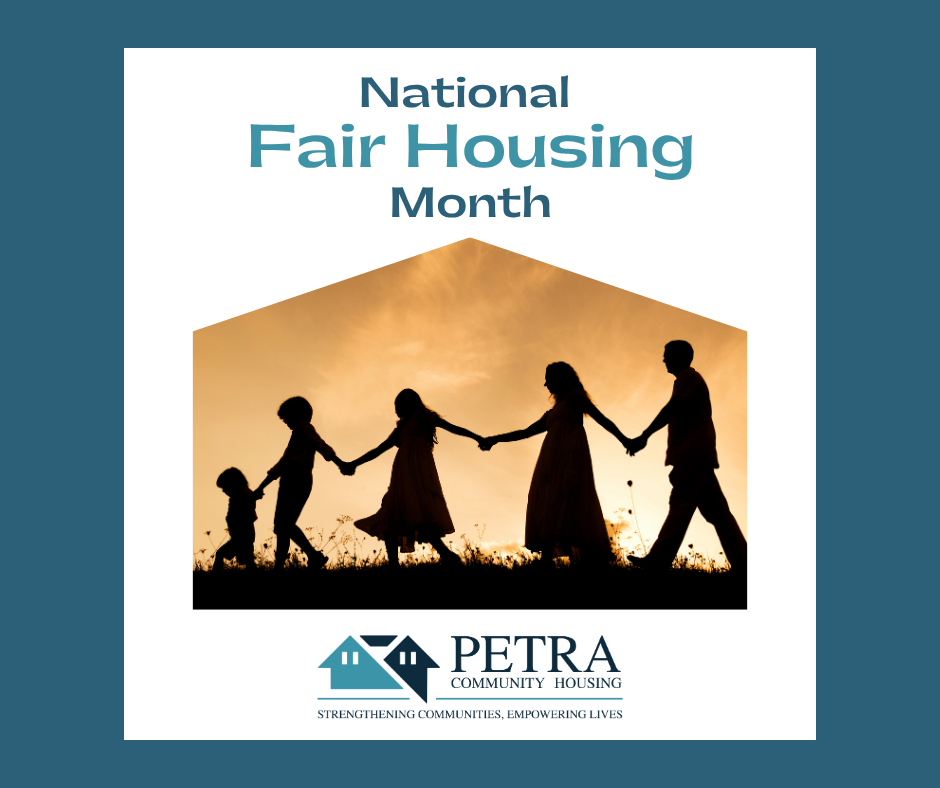
Fair housing is the principle that everyone should have equal access to safe, decent, and affordable housing, free from discrimination. At its core, fair housing ensures that where you live is not determined by who you are, but by your needs, preferences, and financial circumstances.
The Legal Foundation of Fair Housing
In the United States, fair housing is protected by the Fair Housing Act of 1968, a landmark civil rights law passed in the wake of Dr. Martin Luther King Jr.’s assassination. The law makes it illegal to discriminate in housing-related activities—such as renting, buying, lending, or advertising—based on certain protected characteristics.
These federally protected classes include:
- Race
- Color
- National origin
- Religion
- Sex (including gender identity and sexual orientation)
- Disability
- Familial status (such as having children under 18)
Many states and local governments, including Pennsylvania and New Jersey, expand these protections to include additional categories like source of income, age, or marital status.
What Housing Discrimination Looks Like
Housing discrimination can take many forms, some obvious and others more subtle. Examples include:
- Refusing to rent or sell to someone because of their race or disability
- Steering renters or buyers toward or away from certain neighborhoods
- Setting different terms, conditions, or prices for different groups
- Denying reasonable accommodations or modifications for people with disabilities
- Advertising housing with language that excludes certain populations
Even policies that seem neutral can be discriminatory if they disproportionately harm a protected group.
Why Fair Housing Is Important
Fair housing is about more than legal compliance—it’s about opportunity and equity. Where people live affects access to quality schools, employment, healthcare, transportation, and community resources. When housing discrimination occurs, it reinforces patterns of segregation and limits upward mobility.
Ensuring fair housing helps:
- Promote diverse, inclusive communities
- Expand access to economic and educational opportunities
- Prevent homelessness and housing instability
- Uphold basic civil rights and human dignity
Fair Housing and People with Disabilities
Fair housing protections are especially important for individuals with disabilities. The law requires housing providers to make reasonable accommodations (such as allowing a service animal in a no-pets building) and reasonable modifications (such as installing a ramp), when necessary for a person to fully use and enjoy their home.
A Shared Responsibility
Housing providers like Petra, as well as advocates and community members, all play a role in upholding fair housing principles by promoting awareness, challenging bias, and supporting inclusive practices. That’s why our Vision Statement says, “That all people in our region with limited income have a safe, affordable, and supportive place to live.” And our Core Values include both Dignity (“Petra operates with fairness, respect, and responsiveness to create a culture that uplifts individuals and families within our communities”) and Inclusivity (“Petra is committed to providing a welcoming and supportive environment for all residents, which strengthens our communities”).
Fair housing is not just a policy—it’s a commitment to fairness and equal opportunity. By understanding what fair housing means and recognizing its importance, we can work toward communities where everyone has a place to call home.